The guide
The guide
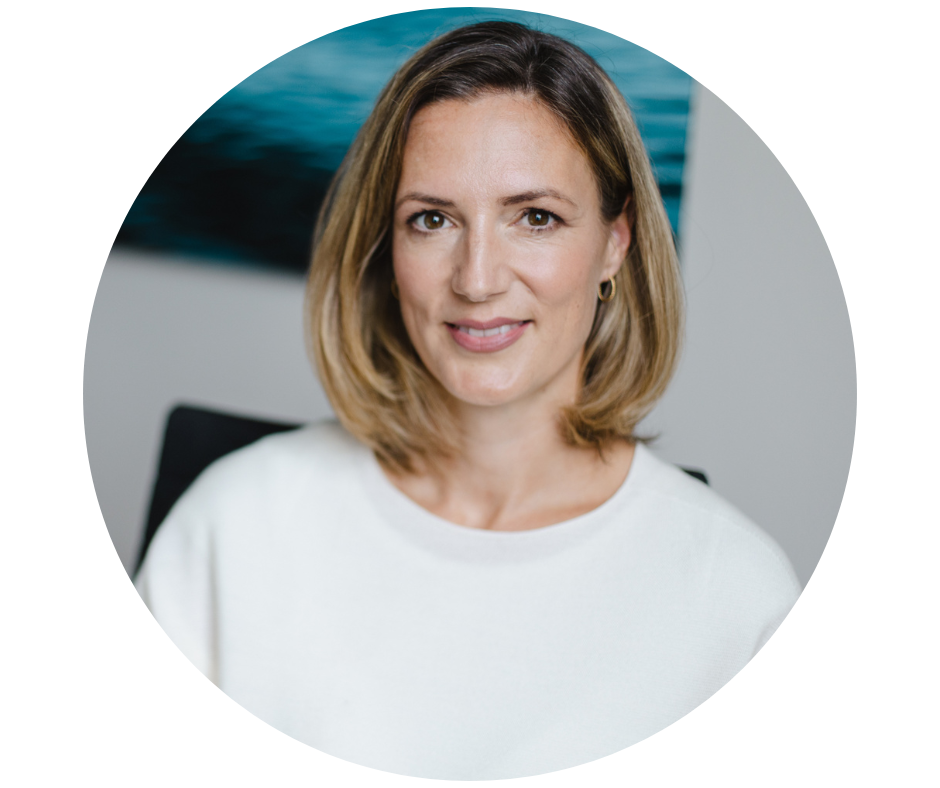
The menopause is as life-changing for a woman as puberty. And although it is clear that the changes are coming, almost nobody is prepared for them. Symptoms are misinterpreted or accepted despite the pressure of suffering. We spoke to Sophie Berking: she is a general medical practitioner and trained specialist in menopause medicine. In her clinic in Hamburg and online, she offers holistic support through the menopause.
Is there a symptom-free menopause?
Yes, there actually is! Some women barely notice the hormonal changes during the menopause. But there are profound changes in the body - such as an increase in LDL cholesterol, higher blood pressure and a less favourable body composition with more fat and less muscle mass. This increases the risk of cardiovascular disease.
The good news is that a lot can be achieved with targeted lifestyle changes - e.g. strength training, a healthier diet, giving up alcohol and smoking.
Even women without symptoms should be aware of these processes so that they can take early and conscious countermeasures.
What symptoms can be caused by the menopause but are not associated with it by most people?
There are several, but I find psychological symptoms such as depressive moods, anxiety or even a worsening or new diagnosis of ADHD to be particularly important.
Such symptoms are often treated in isolation without taking the hormonal balance into account. In many cases, hormone therapy can bring about a noticeable improvement - and usefully complement other therapies.
When would you recommend hormone therapy to a patient?
That is very individual. It is always a matter of carefully weighing up the level of suffering or the symptoms and the possible risks or side effects of hormone therapy.
If the symptoms are severe and there are no medical reasons against it, I discuss with my patients whether hormone replacement therapy is sensible and appropriate for them. It is important to me that every woman can make a well-informed decision - based on her personal situation and needs.
When you start taking bioidentical hormones, do you need them forever? Or can you stop or pause the therapy at some point?
This is also very individual. As long as the benefits outweigh the risks, the therapy can be continued - the aim is always to alleviate symptoms and improve quality of life.
Hormone replacement therapy should be reviewed by a doctor at least once a year. When stopping hormone replacement therapy - especially in the postmenopause - it is important to keep an eye on blood pressure and cholesterol, as the cardiovascular risk can increase in the short term.
Ideally, discontinuation should take place under medical supervision, preferably gradually.
Does hormone therapy also have side effects? What would be an alternative to bioidentical hormones?
As with any medical therapy, hormone treatment can also have side effects. Bioidentical hormones are usually well tolerated as they correspond to the body's own hormones. In the first few weeks, there may be temporary symptoms such as intermenstrual bleeding, bloating, water retention or mood swings - these usually subside on their own. According to current data, the risk of breast cancer with body-identical HRT is considered to be very low - in most cases, the benefits outweigh the risks.
If you don't want to take hormones, you can use herbal alternatives such as phytoestrogens. They have a milder effect, but there is a lack of large-scale studies. Non-hormonal medications are also available, for example against hot flushes - but they usually only help with individual symptoms.
Is it actually possible to age healthily without bioidentical hormones?
Yes, healthy aging is also possible without hormones.
Not all women are suitable for hormone replacement therapy - or want it. This makes diet, exercise and muscle building all the more important for the prevention of cardiovascular diseases, diabetes and osteoporosis.
Urogenital menopause syndrome is a special case: many women develop symptoms such as vaginal dryness, itching or urinary tract infections during the postmenopause. Here, local oestrogen treatment can be very effective and usually safe - even in women with a history of breast cancer.
Unfortunately, such complaints are often not actively enquired about and many women tacitly accept them as an unavoidable part of aging. It is important to me that we provide more information here - because quality of life is possible at any age.
In your experience, how quickly can you help women who contact you?
In most cases, women notice a significant improvement after three months at the latest. Individual symptoms, such as hot flushes, often subside after just a few days or weeks of treatment.
It can be somewhat more complex for women who still have an active menstrual cycle. The natural hormonal fluctuations can cause fluctuating or particularly intense symptoms during the menopause. In such cases, it often takes a little more patience: we try out different therapeutic approaches and adapt the treatment individually over time until we find a good balance.
Are there changes during the menopause that cannot be influenced either medically or by lifestyle and that you simply have to accept?
To be honest, I can't think of any!
With targeted lifestyle measures and, if necessary, medical support, almost all changes can be positively influenced - even if we can't stop the aging process itself, of course.
But: We are not helplessly at the mercy of the menopause. On the contrary - this phase of life offers a real opportunity to listen to your own body and consciously focus on your own health. In this way, we can grow older in an empowered, self-determined and healthy way.
You can find out more about Sophie Berking and her clinic here: https://menomedikum.de/