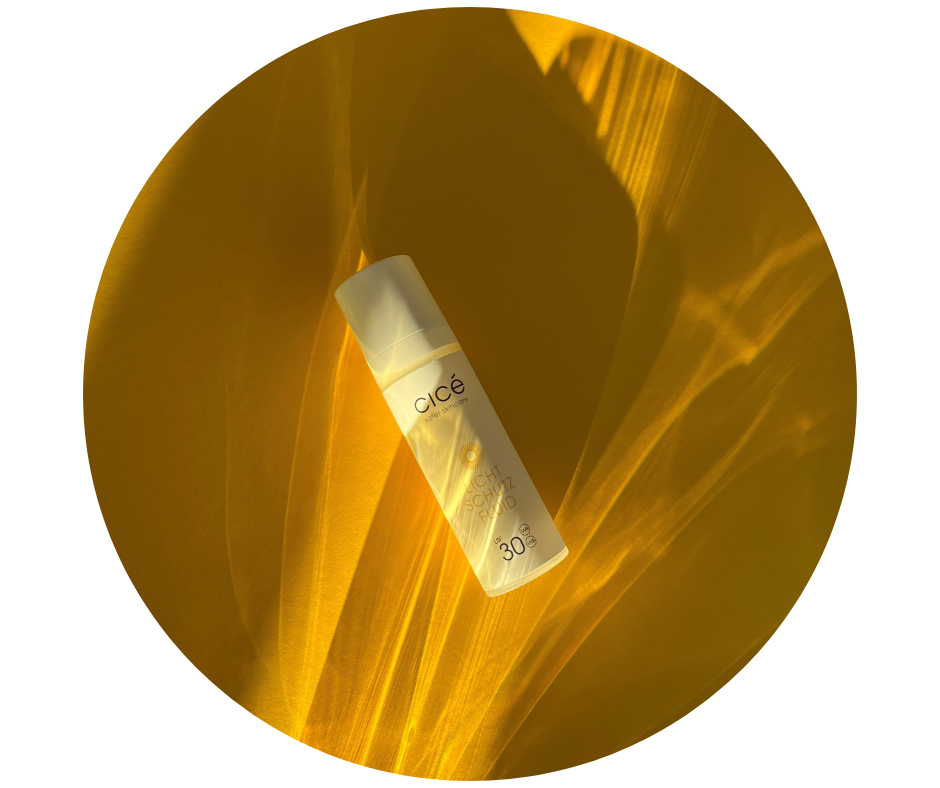
All about sun protection
All about sun protection
Sun is crucial for our health. Too little sun exposure can cause a vitamin D deficiency, which can lead to serious health issues. UV light also reduces the risk of developing multiple sclerosis.
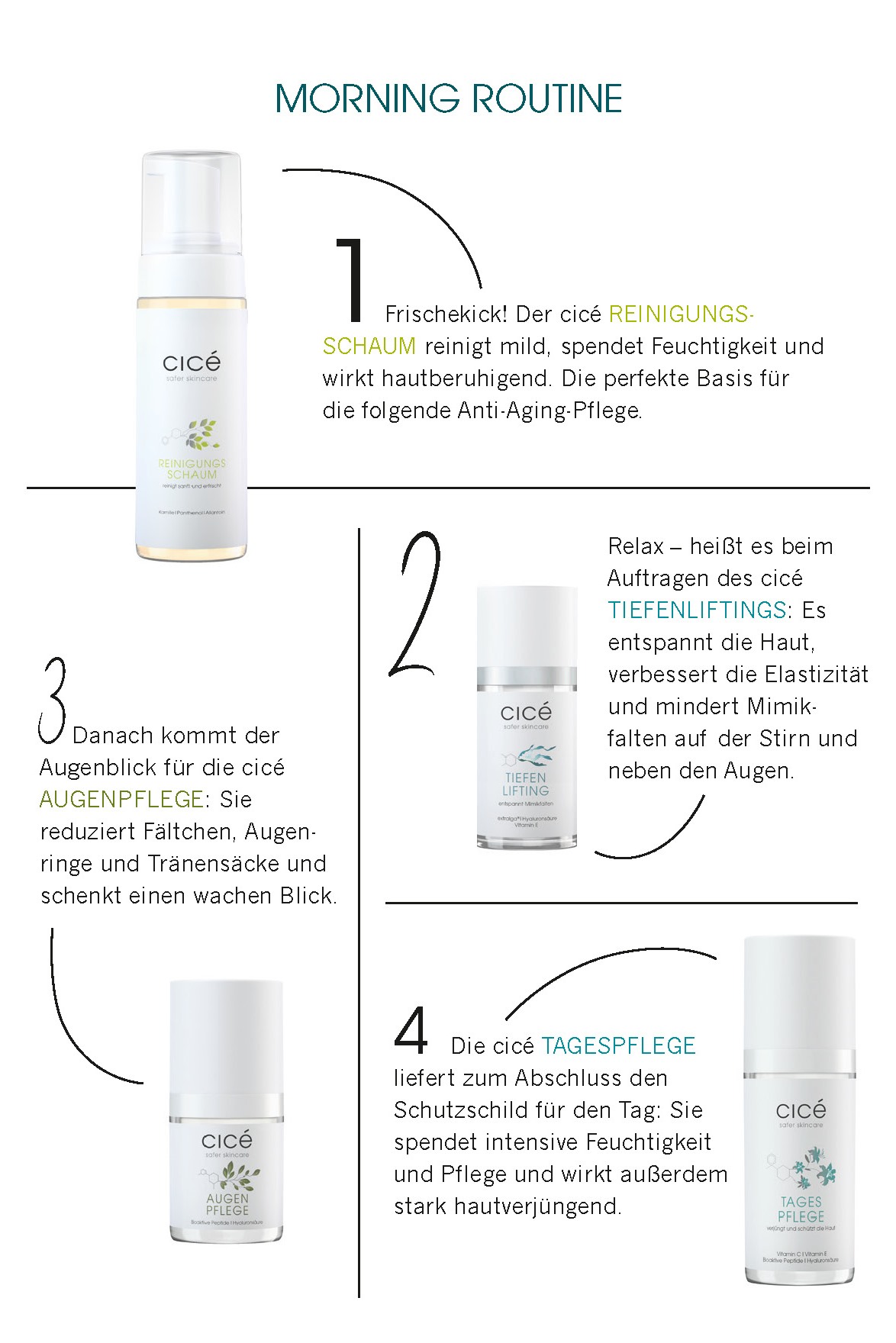
This is why we at cicé separate the sun protection from the Day Care and Color Corrector. We generally recommend adapting the use of sun protection products to your needs and only using them when staying longer periods in the sun. Especially on cloudy days, which are mainly spent indoors, the skin shouldn't be shielded from daylight during the brief moments spent in the fresh air.
BUT when we spend longer periods in the sun, a sun protection product must be applied in sufficient quantity - especially if you have sensitive skin or lack a tan. To achieve the designated sun protection factor, sun creams must always be applied at a rate of 2mg per square centimeter of skin. In the case of cicé Sunscreen, this corresponds to four to five pumps for the face, neck and décolleté. This amount of product would be far too much for both the Day Care and the Color Corrector. This makes it another reason to separate the sun protection topic from the rest of the skincare products!
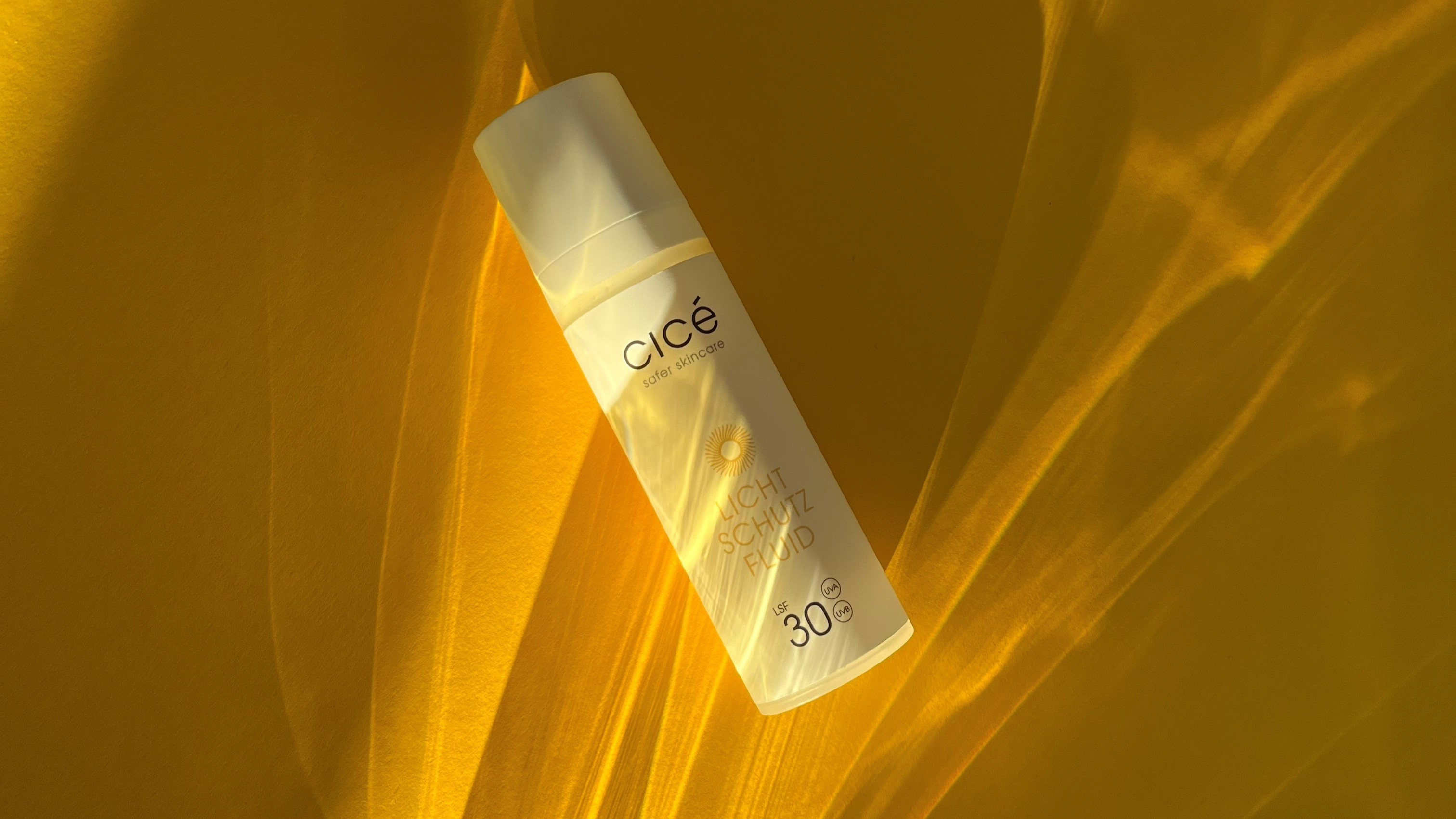
The cicé Sunscreen reliably protects the skin against sunburn and premature aging. Rich in high-quality ingredients, it provides deep moisture and soothes at the same time, so that the sun won't have to become an enemy.

What else can we do so that we can enjoy our time in the sun unconcernedly?
A tan is the skin's natural self-protection. The dark brown pigment melanin absorbs high-energy light and protects the skin from UV damage. Carotenoids are an important component of melanin. We cannot produce these ourselves - they must be taken through food. Carrots, sweet potatoes, pumpkin, spinach and kale contain beta-carotene, the best-known carotenoid and are ideal for boosting the body's own sun protection. Wheat germ oil, sunflower seeds and almonds contain particularly high levels of cell-protecting vitamin E. This not only helps with sun-damaged skin, but can also increase the skin's own protection overall. The skin's own protection time can therefore be extended by certain nutrients. Important: Adjust your diet early on - around four weeks before you start your beach vacation!
Clothing also protects you from direct sunlight. Especially dark clothing, as light-colored fabrics allow twice as much UV radiation through. A UV shirt or a dark, tightly woven garment and headgear are therefore recommended on the beach. Whatsmore, the sun is at its most intense between 11 am and 3 pm. You should therefore avoid the beach at midday and allow your skin to regenerate in the shade.
If you've been in the water, you need to reapply! Waterproof sun creams usually contain microplastics. The cicé Sunscreen is free of these in order to protect our waters. However, that doesn't make it waterproof. After swimming and bathing it must be reapplied.
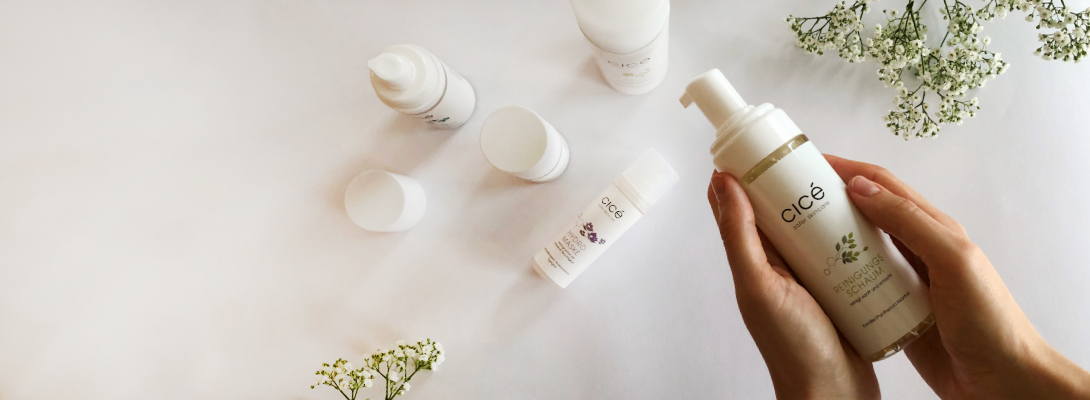
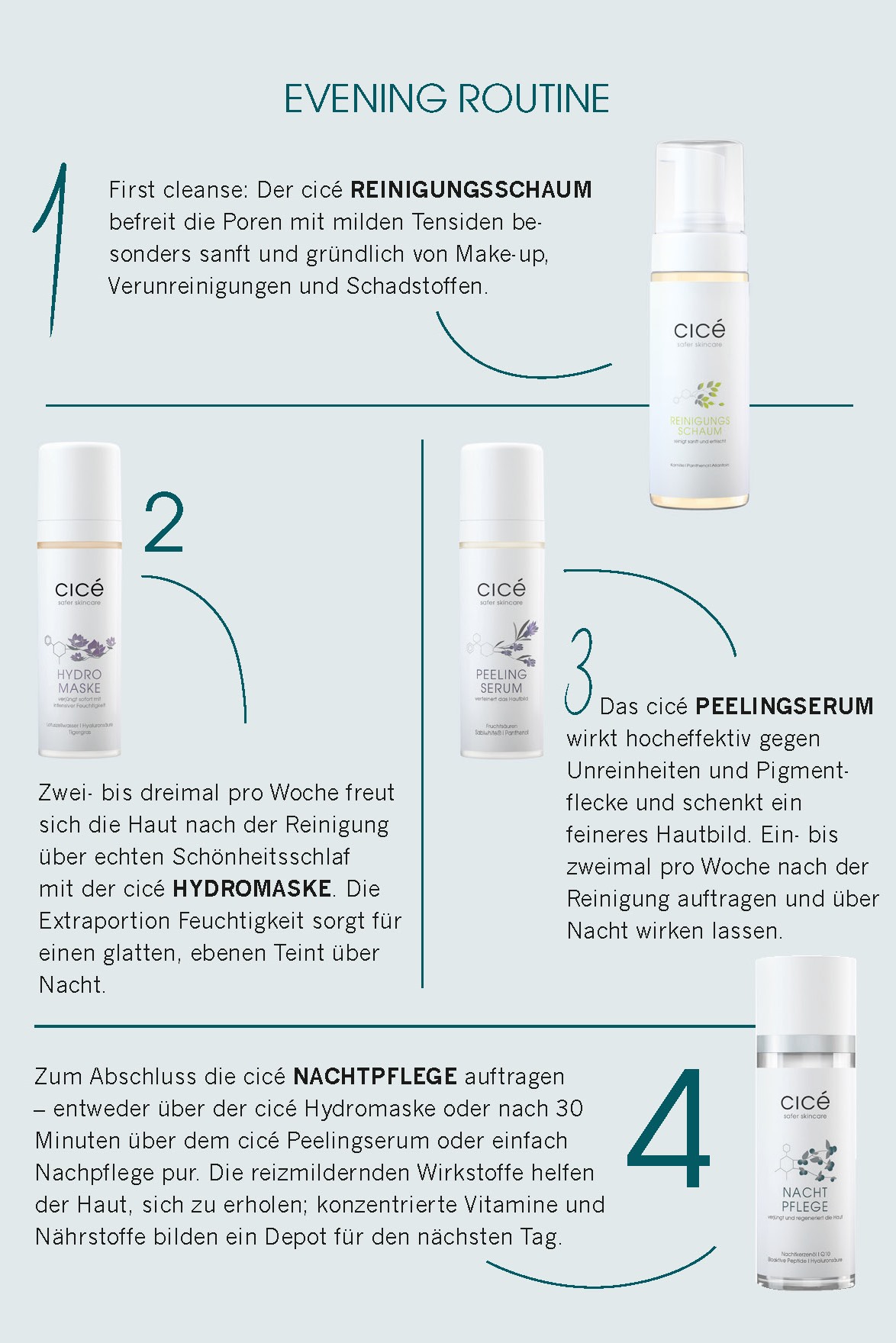
Last but not least, all sun protection products must be thoroughly removed in the evening and a good amount of moisturizer must be applied after sunbathing.
Enjoy the summer!